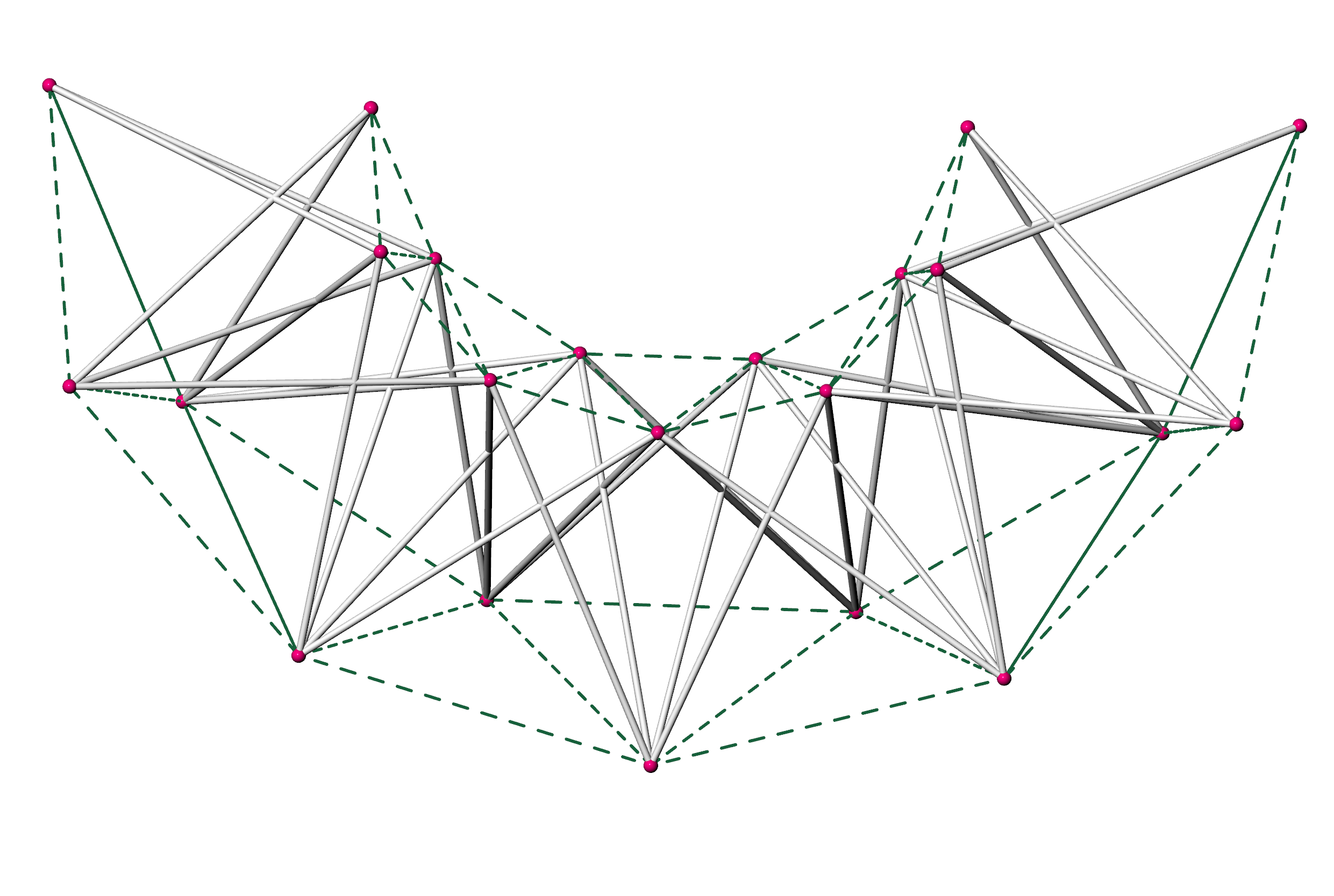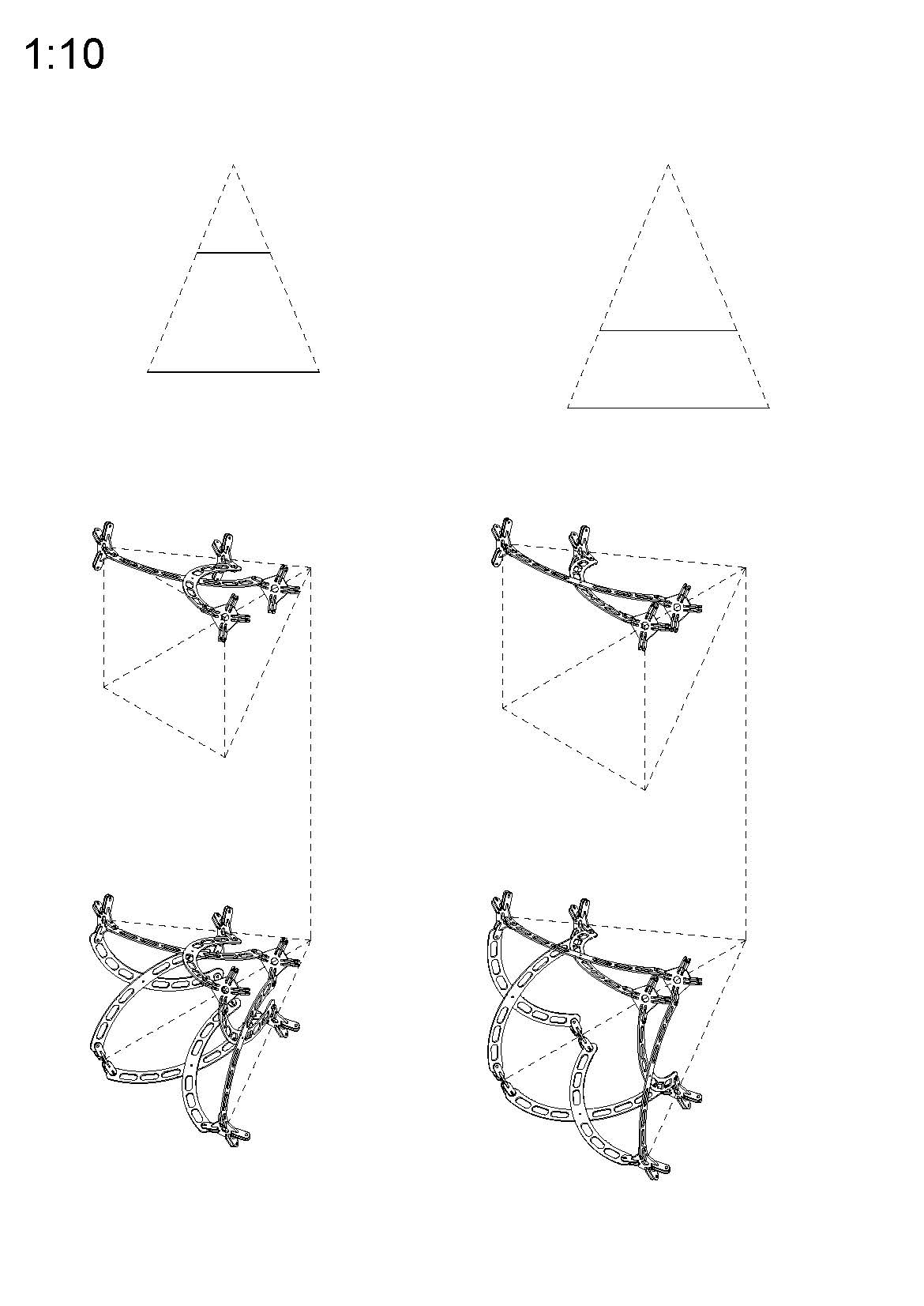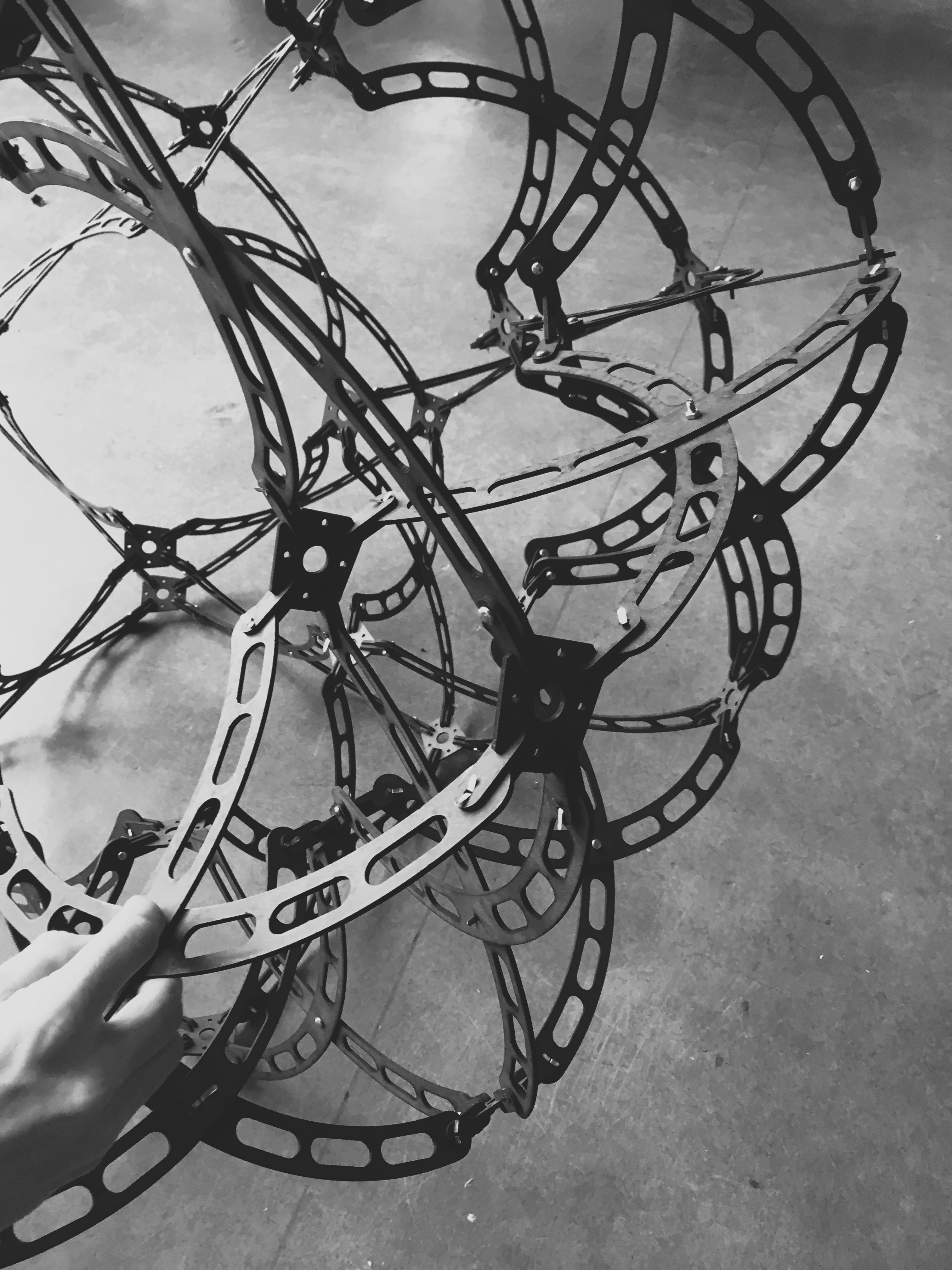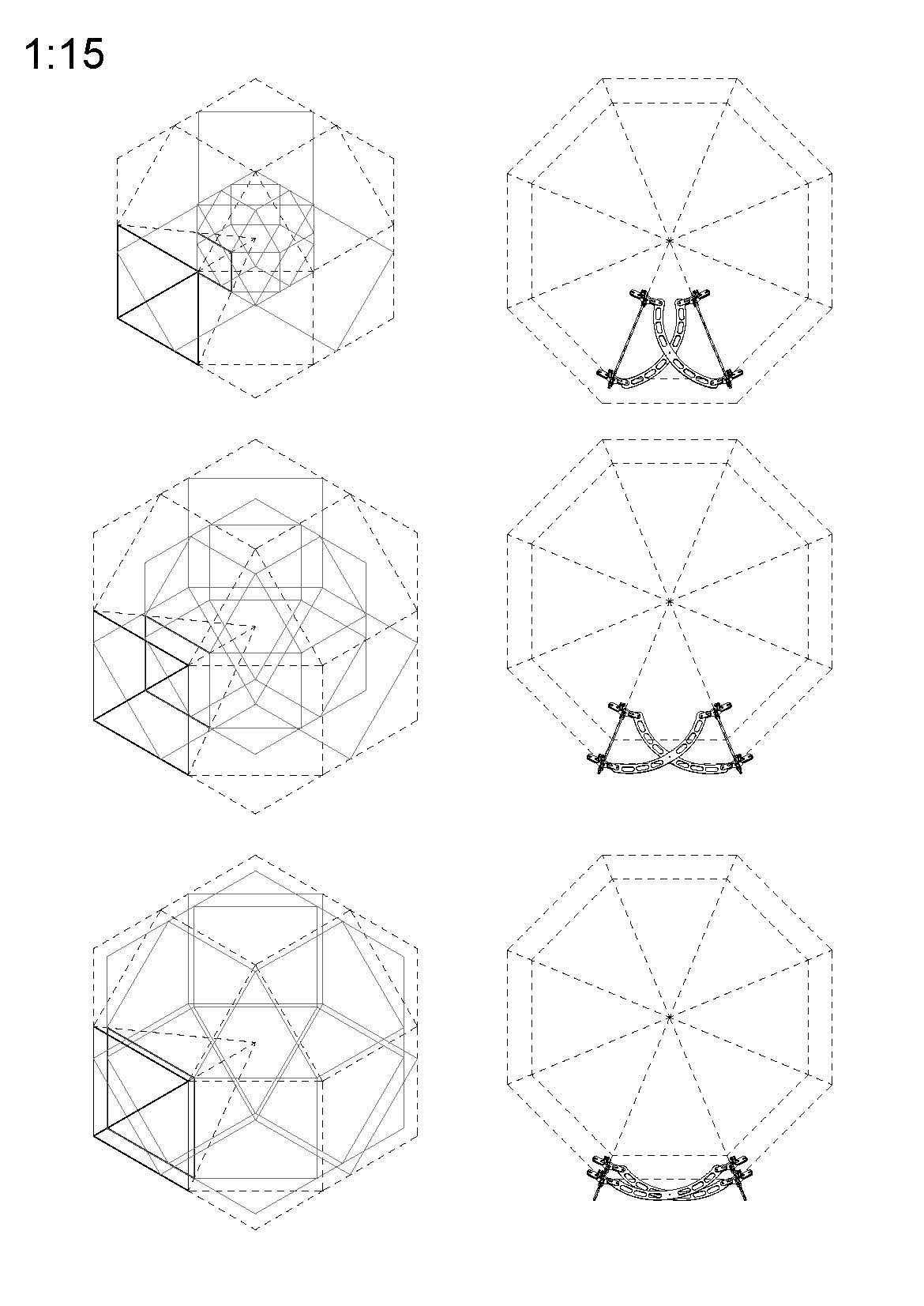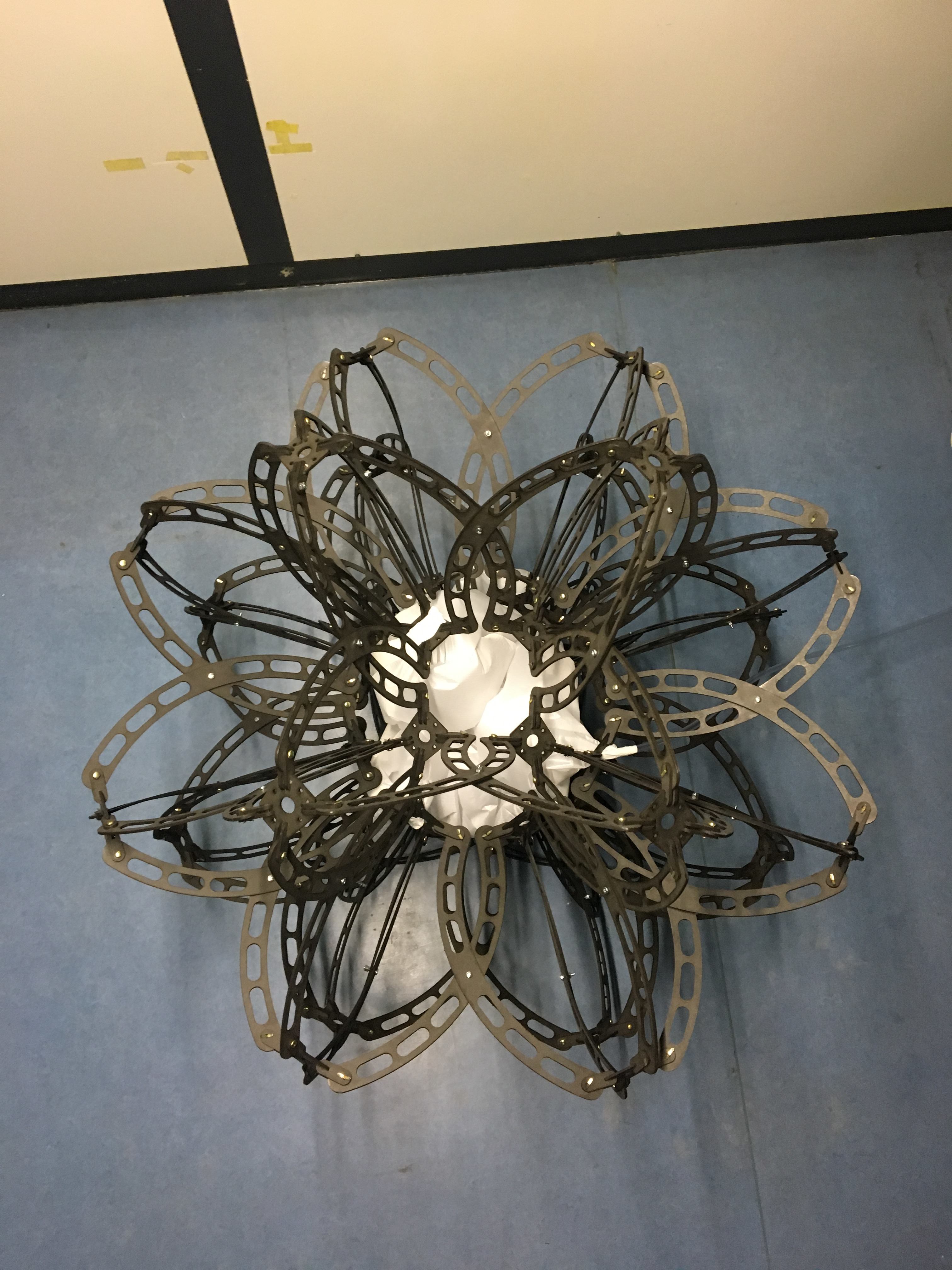
Computational system for studying deployable spherical structures through parametric modeling and physics-based simulations, combining digital analysis with physical prototyping.
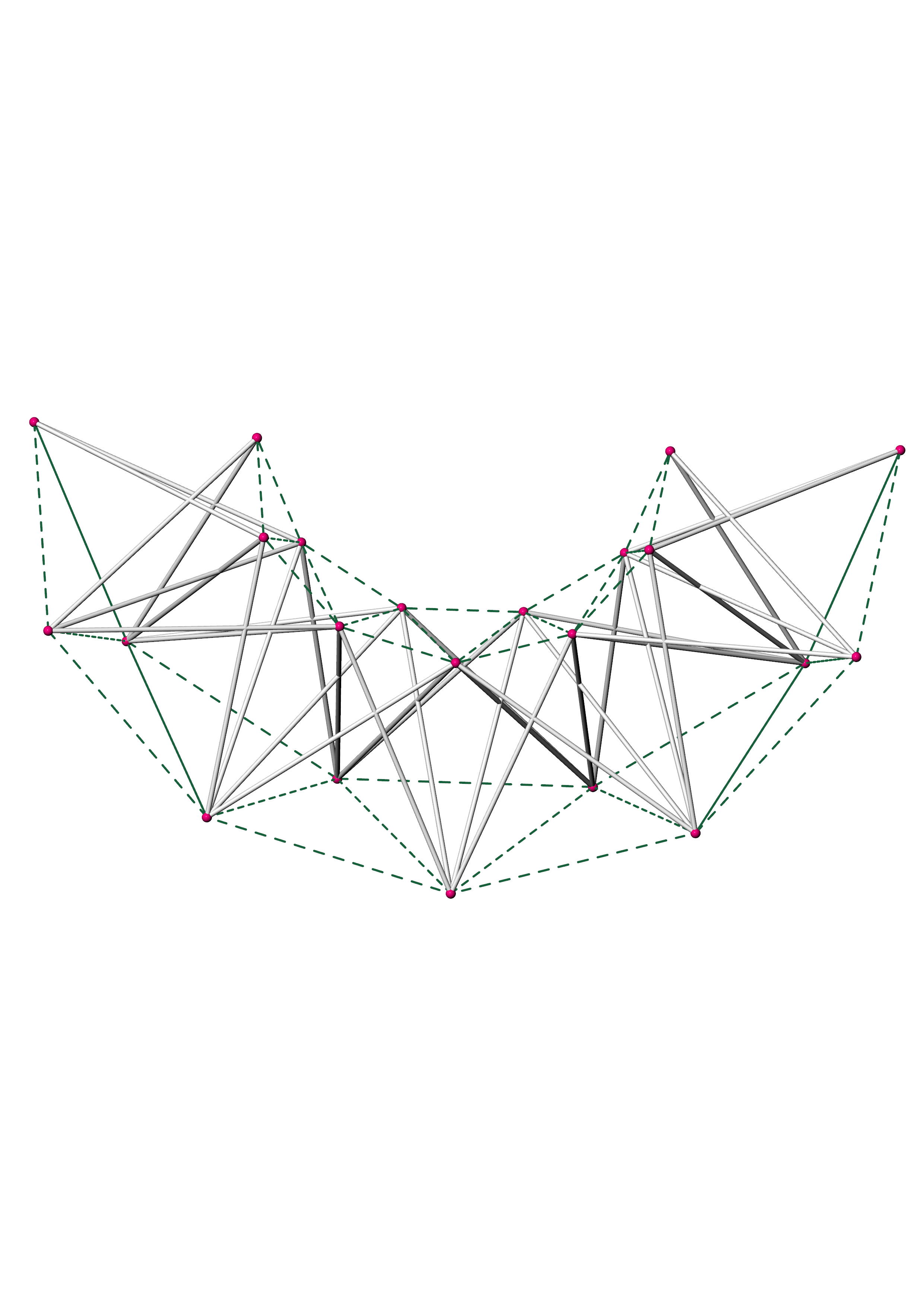
This system was developed to study the behavior of deployable structures capable of approximating spherical geometries. The workflow uses parametric modeling and physics-based simulations to analyze how coordinated bar movements influence the resulting structural configuration.
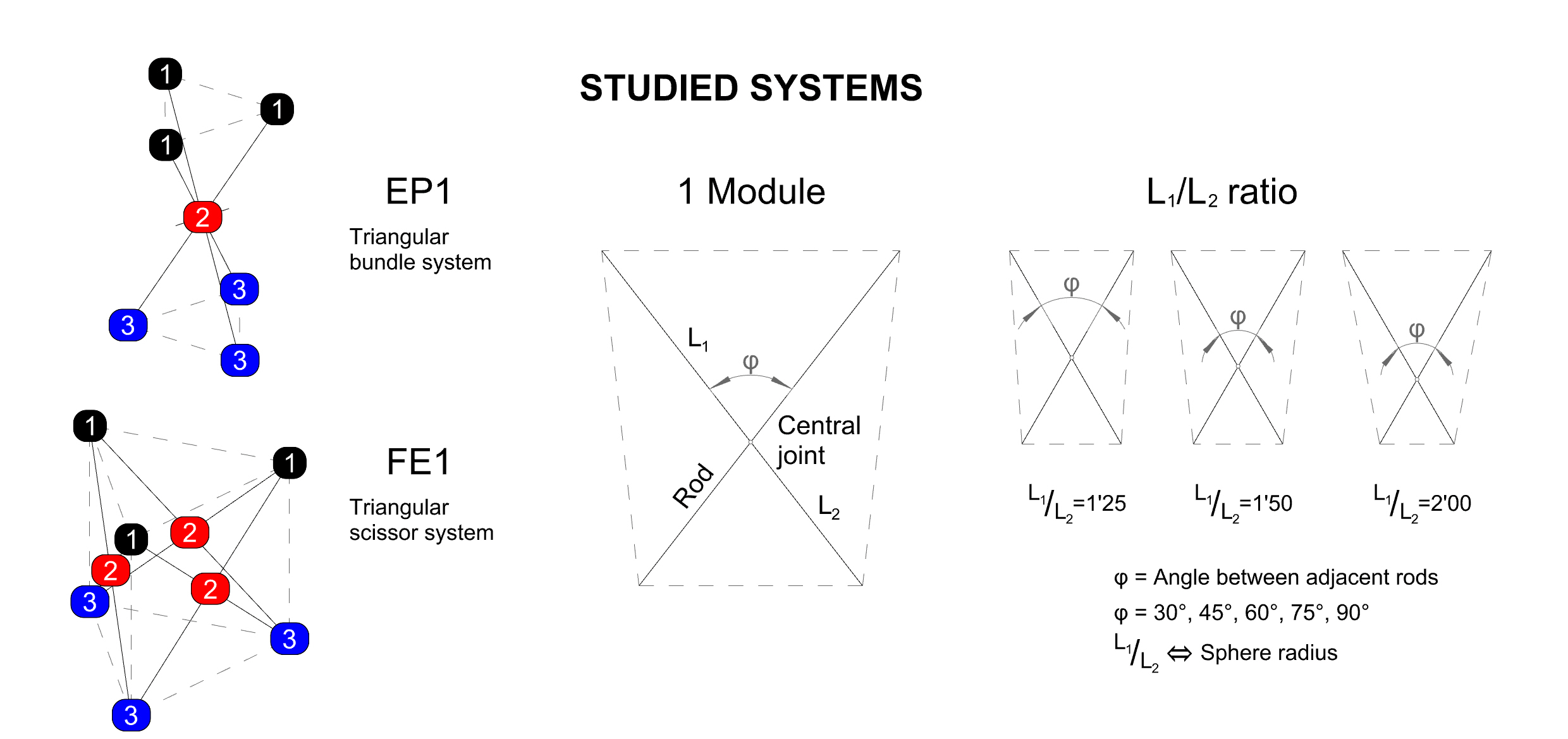
By controlling variables such as bar proportions, joint relationships and opening angles, the system allows exploration of different deployable configurations. The simulation environment reproduces the structural behavior of the system, including the inflation of an air cushion used to deploy the structure.
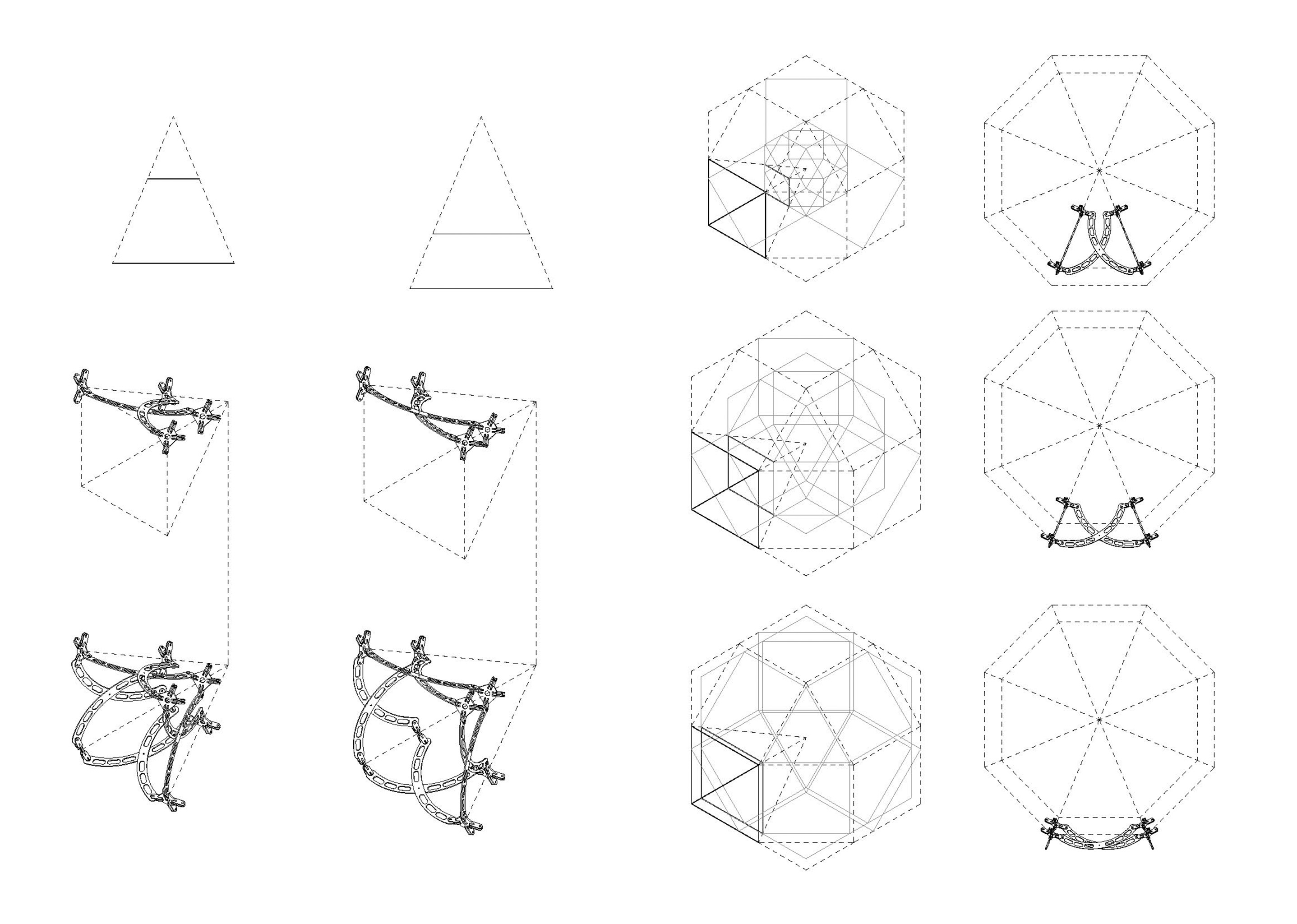
The digital model is complemented by physical prototyping, enabling validation of the deployable mechanism through fabricated components.
Designing deployable structures that approximate spherical geometries requires coordinating structural articulation with geometric constraints.
Key technical challenges included:
• Defining parametric relationships between bar lengths and joint positions
• Simulating the kinematic behavior of the deployable mechanism
• Modeling the inflation forces used to activate the system
• Evaluating how structural parameters influence the resulting geometry
• Translating the computational model into a buildable prototype


The project resulted in a computational workflow for analyzing deployable spherical structures through parametric modeling and physics-based simulations.
The system generates deployable configurations in Rhino and Grasshopper, simulates structural movement and air cushion inflation using Kangaroo2, and supports the fabrication of physical prototypes through laser-cut components.
The workflow provides:
• Simulation of deployable systems using physics-based modeling
• Evaluation of structural configurations composed of 36, 64 and 100 units
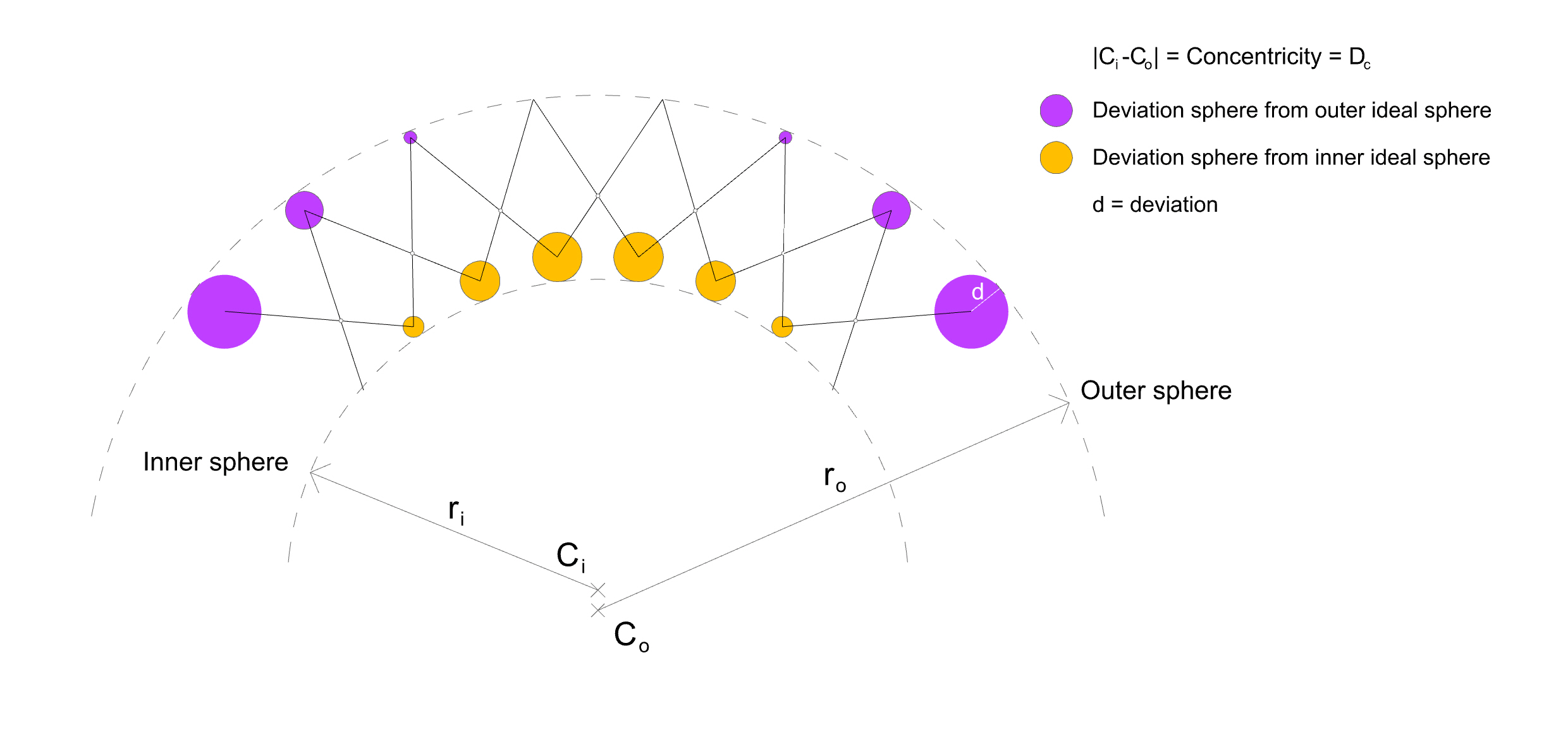
• Analysis of geometric deviation from an ideal spherical surface
• Integration between parametric modeling and physical prototyping
• Fabrication-ready components produced through laser cutting