
Computational workflow for designing and rationalizing a faceted façade through parametric modeling and fabrication-aware geometry.
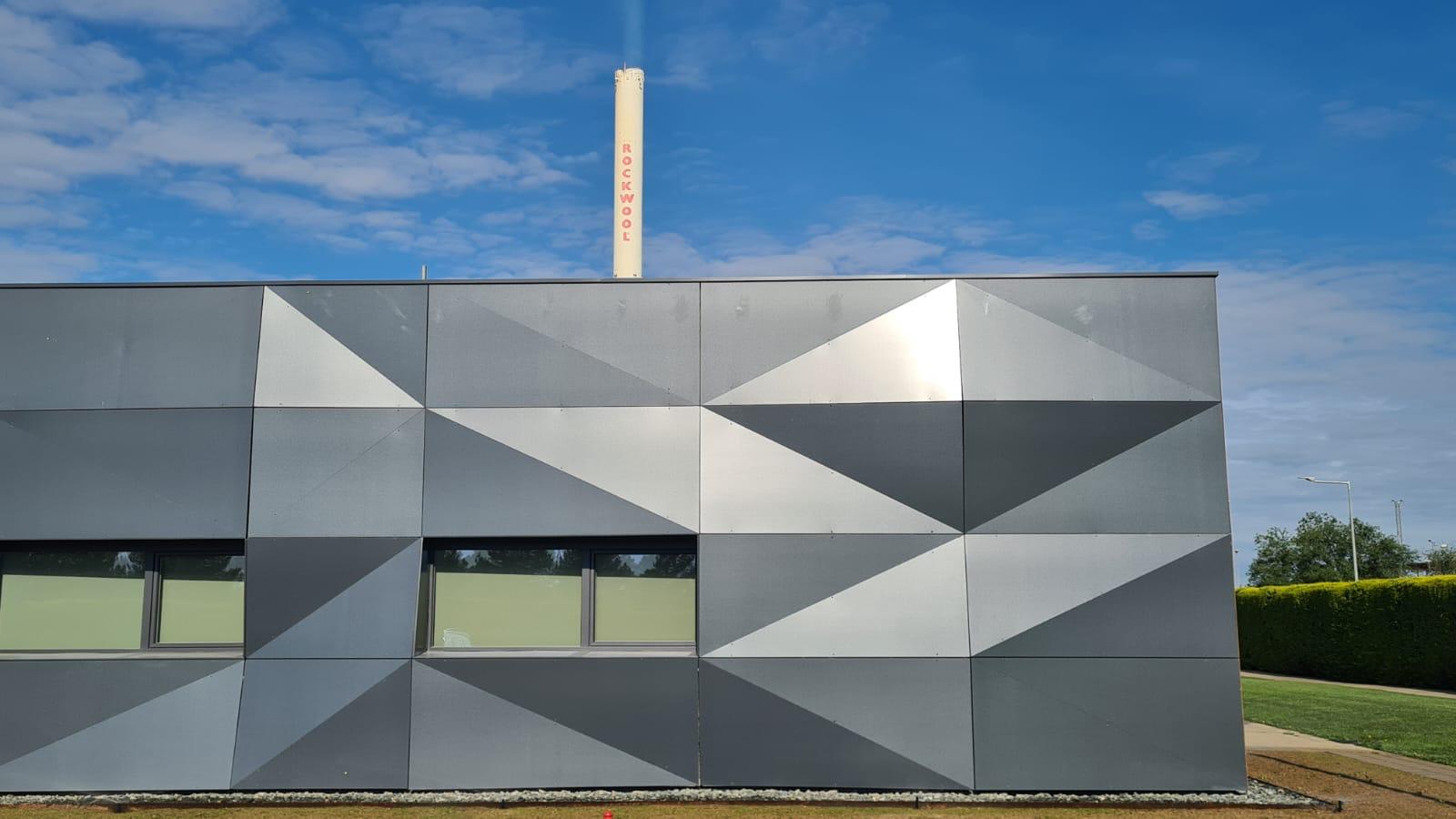
This system was developed to design and rationalize a faceted façade geometry for the Rockwool office building. The workflow uses parametric modeling to generate a continuous envelope composed of inclined panels that respond to both aesthetic and fabrication constraints.
By controlling geometric parameters such as panel inclination, module distribution and surface subdivision, the system allows designers to explore façade configurations while maintaining constructible geometries. The parametric model enables real-time evaluation of design decisions and ensures coherence between architectural intent and fabrication logic.
Designing a faceted façade requires balancing expressive geometry with fabrication and construction constraints.
Key technical challenges included:
• Controlling panel inclination
• Maintaining a coherent geometric logic between adjacent panels
• Managing the distribution of modules across the building envelope
• Ensuring the façade geometry remained buildable and efficient
• Evaluating design variations while preserving the overall architectural concept
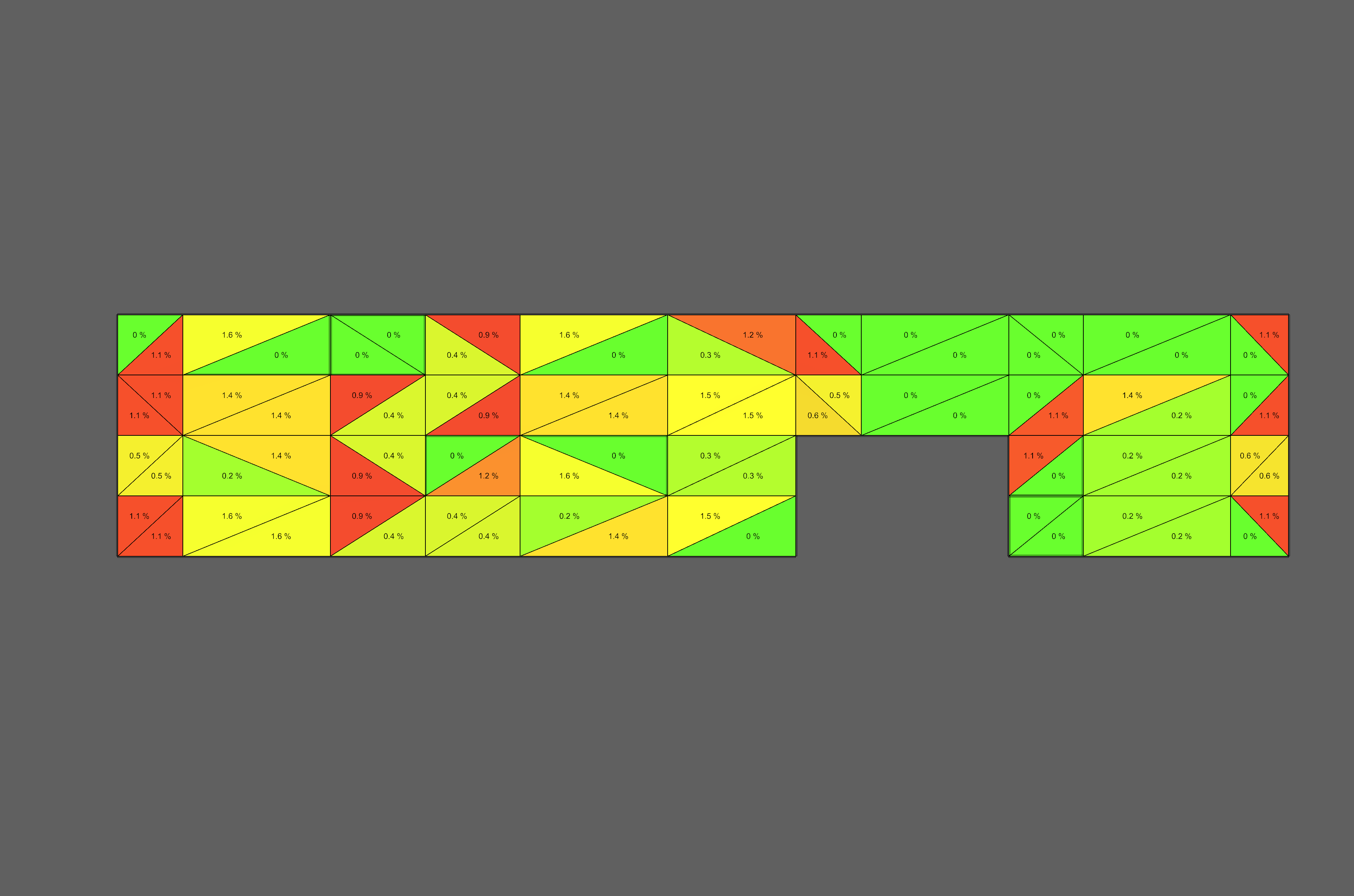
The project resulted in a parametric façade generation workflow that integrates geometric design with fabrication-aware constraints.
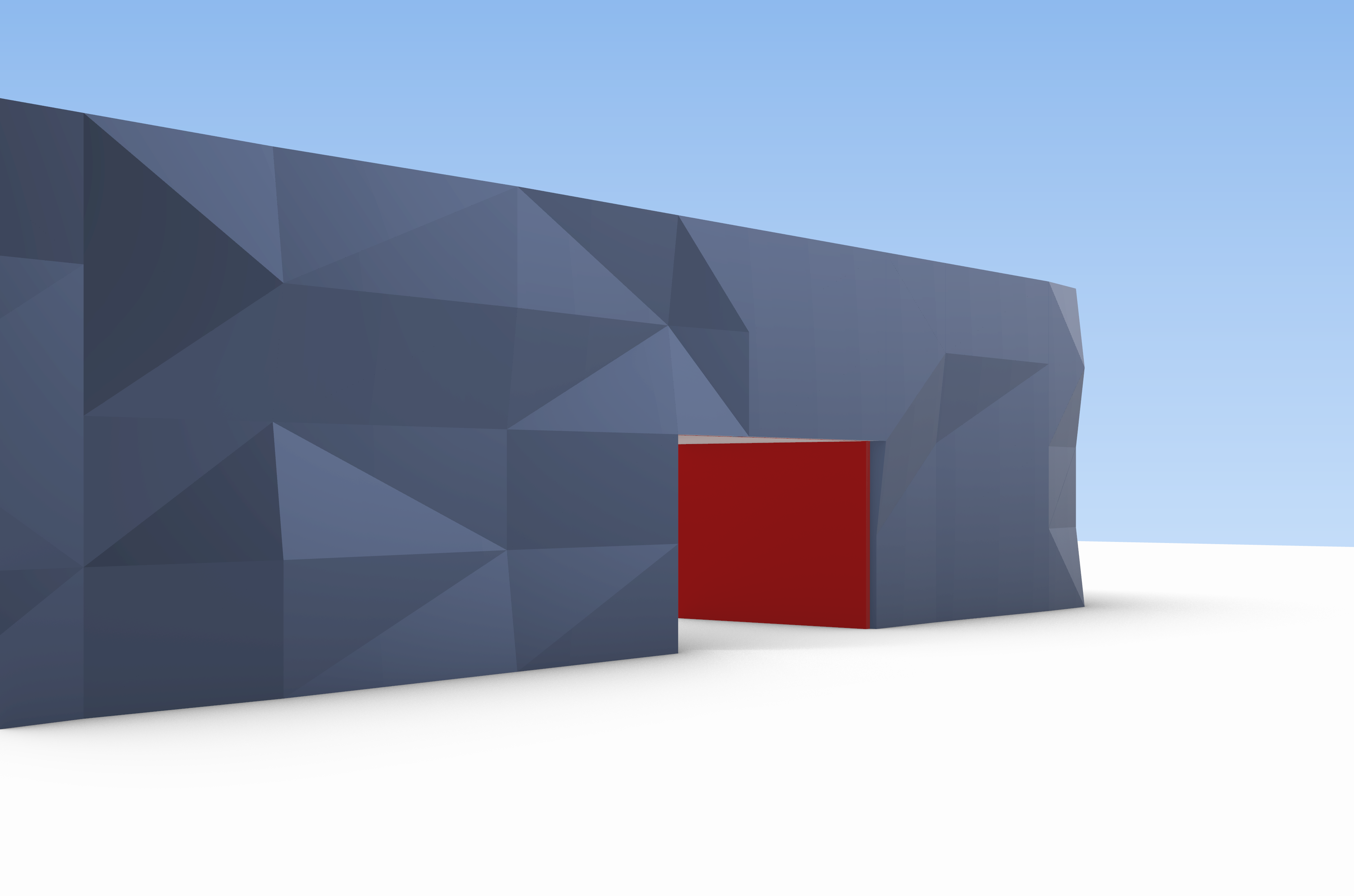
The system generates panel configurations in Rhino and Grasshopper, allowing designers to analyze panel inclination, modular distribution and material usage across the façade surface.
The workflow provides:
• Parametric generation of faceted façade panel geometries
• Real-time evaluation of panel inclination and module distribution
• Controlled geometric relationships across the building envelope
• Integration between architectural design and fabrication constraints
• Computational tools for exploring façade design variations
.jpeg)
.jpeg)
